

How Osteoporosis Contributes to Posture Problems in Seniors
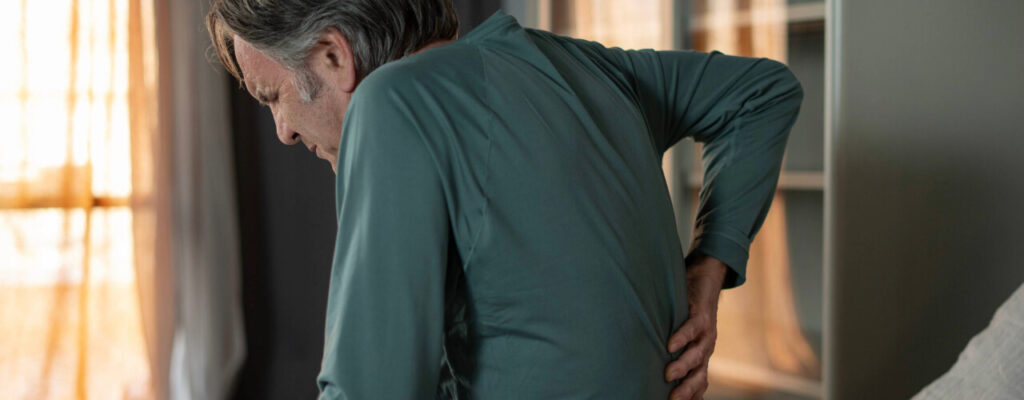
You’re probably already familiar with osteoporosis, especially if you’re an older woman. You know it can lead to weakened bones and an increased risk of fractures. What you might not be aware of, however, is the link between osteoporosis and posture–but it is significant!
The same changes in bone strength that increase fracture risk can also lead to noticeable shifts in your body’s alignment and balance, especially in the later stages of osteoporosis. Fortunately, the team at Physio for Seniors can help you address them, greatly enhancing your quality of life.
Keep reading to learn more!
Osteoporosis and Posture: What You Need to Know
What Is Osteoporosis?
Osteoporosis is a condition in which bones become brittle and less dense. It occurs when the body loses too much bone, makes too little bone, or both. It’s especially common in seniors, with postmenopausal women at higher risk due to hormonal changes.
How Does Osteoporosis Affect Posture?
Posture problems linked to osteoporosis are largely due to structural changes in the spine. Fractured vertebrae can cause spinal misalignment, which impacts overall balance and mobility and leads to different postural issues, such as the following:
Kyphosis
- Kyphosis is the medical term for a hunched back, and it’s one of the most common postural changes associated with osteoporosis. Compression fractures in the spine can cause the vertebrae to collapse, resulting in a forward-rounded posture.
Height Loss
- Shrinking bone density can cause the spine to compress, leading to a noticeable decrease in height.
Weakened Core and Back Muscles
- Although osteoporosis doesn’t directly cause muscle weakness, you may lose strength as a secondary effect of the condition. Poor core strength can contribute to existing postural issues, like kyphosis.
What are Some Effects of Osteoporosis-Related Postural Changes?
- Increased risk of falls and associated injuries (like bone fractures)
- Difficulty performing daily activities
- Pain and stiffness in the neck, back, and shoulders
The Role of Physiotherapy in Addressing Osteoporosis and Postural Issues
Physiotherapy offers effective solutions for managing osteoporosis and posture challenges. By targeting specific muscles and improving alignment, physiotherapy can enhance mobility, strength, and confidence. Here’s how:
Pain Management and Improved Quality of Life
Poor posture can lead to persistent back, shoulder, and neck pain. Physiotherapy can alleviate discomfort through techniques such as:
- Stretching routines to relieve stiffness
- Manual therapy to address joint or muscle pain
- Advice on ergonomic modifications for daily activities
Customized Exercises to Strengthen Muscles and Support the Spine
Our physiotherapists will design exercise programs that improve muscle strength and mobility to support better posture. Here are some of the exercises we might include:
- Core strengthening exercises to stabilize the spine and reduce pressure on vertebrae
- Postural training activities to help you maintain a neutral spine position
- Weight-bearing activities to promote bone density and overall strength
Techniques to Improve Balance and Prevent Falls
Poor posture can dramatically increase fall risk. Our physiotherapists can develop a personalized fall prevention program to help keep you steady. These programs generally involve the following:
- Balance exercises to improve stability
- Gait training to ensure safe walking patterns
- Education on fall prevention strategies
Take Control of Your Posture with Physiotherapy
If osteoporosis and posture challenges impact your daily life, Physio for Seniors can help. Our skilled physiotherapists provide personalized care plans designed to improve posture, reduce pain, and enhance your overall quality of life. Schedule an appointment to learn more about how we can help.f