

When Can I Drive?
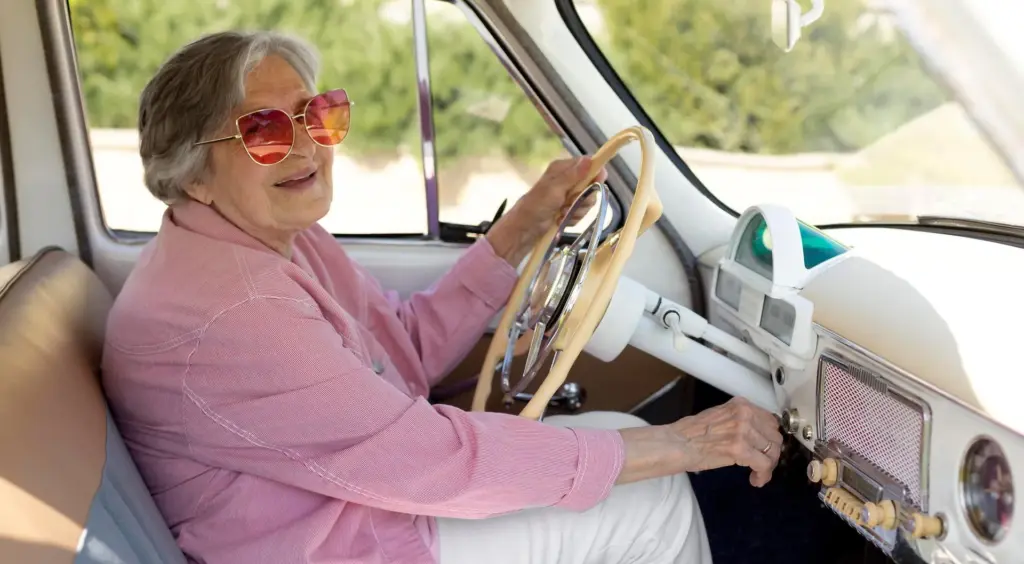
After an illness or injury most people realize quite quickly that returning to driving as soon as possible is a major priority for them. Hospitals and therapists can give you estimates on average recovery times but it may not be that simple.
When is it SAFE for ME to drive? Might be the better question to ask.
But how do you answer that question?
The right time to return to driving will be different for everyone. It really depends on how you feel. If you feel you can drive without potentially causing harm to you or to other people then likely, if you are a responsible driver, you are good to go. While recovering from an injury or an operation a person may not be as physically able as they were before, but they may still be fit enough to drive.
In Canada there is no legislature to stop you from driving after illness or injury so the responsibility really does lie with you and your good judgment. Do consider where you plan to drive as in some countries, if a patient is advised not to drive and drives anyway, he may be breaking the law. (https://www.pubmed.ncbi.nlm.nih.gov ) Check with your Driver Vehicle and Licensing Insurers if unsure.
To help you make a sound decision about your capacity to drive here are some things to consider:
- Be sure to seek out appropriate treatment from a registered practitioner such as a Physiotherapist. Your safe return to driving may depend on it. The ICBC website says that you can go to see a specialist or healthcare practitioner within the first 12 weeks of a motor vehicle accident without a doctor’s referral. Just bring your ICBC accident claim number when getting treatment. Your injuries must be directly related to the accident and the treatment must be necessary for your recovery. (https://www.icbc.com > claims > injury)
- Before driving in traffic, practice in a safe place like a parking lot. Can you perform all driving maneuvers safely and easily?
- Test out your quads strength. Can you lift and move your leg quickly enough from the gas pedal to the brakes and apply adequate pressure to secure a safe and complete stop?
- Test your shoulder and spinal range of motion. Can you turn the steering wheel both ways freely and without pain? Can you turn your head over your shoulders to check around you?
- Is your vision clear?

When driving after surgery, there are more detailed points to consider.
According to Adelaide Shoulder and Upper Limb Clinic, some questions to ask yourself BEFORE returning to driving are:
- Will driving impact or impair the healing process or compromise the outcome of my surgery?
- Can I safely control my vehicle in an emergency situation?
- Do I have a temporary splint or a new disability that prevents me from driving?
- Is my judgment impaired? (ex: brain injury or taking strong pain medicines)
If a return to driving is sensible decision, consider the following for your safety and the safety of others:
- What can you drive? (automatic, manual, power steering, modified vehicle?)
- What are the conditions? (weather, night, roads)
- What is my endurance (length of journey, concentration required)
- What medicines are you taking?
- What pain, if any, are you experiencing?
- What function you may have lost.
Goals to Meet for Prior to a Return to Driving:
- Aim for a pain-free driving experience.
- You should have no need for a splint to protect an upper limb from further pain or injury. You should no longer require one for full recovery.
- Your shoulder range of motion should be equivalent to 90 degrees of forward flexion and 90 degrees of abduction as a general guide
- Your elbow movement should be able to reach near full extension.
- You should have normal function of both hands and wrists.
- Your upper limb strength should be almost equal to the other side and not be compromised by pain, impingement or poor nerve or muscle function. Once your arm or leg is strong enough and has enough range of motion to go through the motions needed for driving, it is important to consider your reaction times.
- Your lower limbs should not be in a cast or splint and you should not require crutches to mobilize. Your lower limbs should not be compromised by pain or poor nerve or muscle function.
- As with most returns to activity, plan for a graduated return. Gradually increase duration and intensity of driving practice as comfort allows.
These goals may be challenging to understand. If they are your physiotherapist can help you through an assessment, assess function of the limb and answer any questions you may have.
General Recovery Timelines:
Joint Replacement Surgery: 6-8 weeks and progressively stronger up to the 3 month mark.
Minor Surgery: wait until the wound has healed and the sutures have been removed (10-14 days). Remember a scar may cause pain when driving.
Bone Break and Reset: Wait Until cast/splint is removed and Rehabilitation results in the restoration of full range of motion. (6-8 weeks followed by physiotherapy sessions)
“Depending on the type of injury it may take several weeks of physiotherapy to regain strength, agility and range of motion until function returns to pre-injury baseline” (https://mackareyphysicaltherapy.com)
Your recovery and return to driving will be unique to your situation. Physio for Life can help in your rehabilitation process to ensure that the rest of your journeys place you in the driver’s seat.
References:
“When Can I Drive After my Surgery?” YouTube, uploaded by Adelaide Shoulder and Upper Limb Clinic, 16 May 2022.